

Does Every Home Need Professional Anti-Termite Treatment?
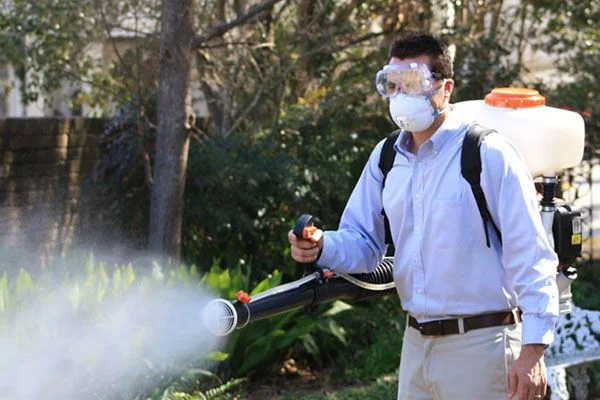
Termites are one of the most damaging pests. They infest your property. They do not show any major symptoms. They silently harm floors, furniture and timber structures. They even cause issues with the building’s foundation. Many people don’t realise how bad a termite infestation is. They come to know about it when the damage is severe, and the home requires a costly fix. Therefore, every home needs a professional anti-termite treatment. It is a significant investment in your property’s long-term safety. It also ensures better cleanliness and value. We will explore the reason why you require professional anti-termite treatment for your home.
What Are The Dangers Of Termites?
Termites live in warm and humid climates. Many areas are extremely prone to infestations throughout the year. They live in the colonies. These pests constantly consume cellulose-containing items. Some of these items are wood, paper, cardboard, and plant-based products. Termites can multiply very quickly. Moreover, they spread throughout various parts of a home. Homeowners cannot identify them until significant structural damage occurs. They hide themselves inside walls, timber frames, ceilings, and underground tunnels.
They affect the following :
1. Wooden Cabinets And Furnishings
Wooden furniture offers a steady supply of cellulose-rich food. Such wood furnitures attract termites. They frequently attack cupboards, tables, mattresses, and closets from the inside. This makes the damage hard to see. The furniture eventually develops weakness. It also causes hollowness and structural problems.
2. Windows and Door Frames
Termites frequently attack doors and window frames. These doors and window frames have an excellent exposure to moisture and climate changes. Termites sneak in through tiny gaps. They start eating the inside of the wood. This makes doors difficult to open or close. Therefore, its frames become weak.
3. Wooden Floors And False Ceilings
Termites can grow in an undetected manner in the hidden areas of timber flooring and false ceilings. This growth continues for a long period of time. These places are full of moisture, darkness and warmth. These factors encourage termite activity. The flooring may deteriorate, and the ceiling may sustain damage or crack as the infestation increases.
4. Wet Basements And Walls
Moisture helps in the survival of pests. They are also responsible for effective reproduction. Termite colonies thrive in damp walls, leaking pipes, and poorly ventilated basements. Termites can spread to various regions that are adjacent to these walls. Some of these regions are wooden furniture and buildings.
5. Storage Areas For Paper Or Cardboard Items
Storage rooms contain cardboard boxes, newspapers, books and paper materials. Termites enter these rooms because these materials contain cellulose. Termites can reproduce and spread in an undetected fashion. They especially like to be undetected in cluttered, undisturbed areas. Termites can damage important books, records and stored items over time.
6. Areas Of Underground Foundations
Termites start their infestations in underground foundations. They safely reach wooden constructions because they stay out of the sun and the open air. They dig mud tunnels through the ground. These termites harm the building’s entire structural base. Therefore, you require expert anti-termite treatment.
What Are The Early Signs Of Termite Infestation?
1. Hollow Sounds In Wooden Surfaces
Termites consume wood from the interior. On the other hand, the exterior of the furniture looks completely intact. The interior part of the wood is hollow. Therefore, when you tap the wooden surface, you can hear a hollow sound. Such a sound usually indicates termite activity.
2. Mud Tubes On Corners Or Walls
Termites have to move safely between their colony and food sources. Therefore, they create mud tubes. These tubes protect them from dry air and sunlight. A mud tunnel on the wall corners or foundations proves that there is an active termite infestation.
3. Peeling Of Paint
Moisture accumulates under painting surfaces because of termite activity. This results in various issues. Some of these problems are paint peeling, bubbling, or cracking. These indicators might point to the termites. They hide in timber buildings or walls.
4. Discarded Termite Wings Near Windows Or Doors
Flying termites shed their wings. This is a main warning indicator. You can see abandoned wings close to windows and doorways. You can also see them in lights. This indicates that termites actively reproduce in the area.
5. Cracked Or Weakened Wood Structures
Termites cause loss of stability and strength. Wooden furniture, doors, and frames may deteriorate, bend, or crack. Therefore, you should not ignore structural damage.
6. Wood Dust And Tiny Holes Surrounding Furniture
Termites frequently create tiny holes in wooden furniture. They create a tunnel in your wooden furniture. You can see termitre droppings. You could also see fine wood dust surrounding the holes. These indicators suggest termites are actively damaging the wood from within.
How Does Anti-Termite Treatment Ensure That Your Home Has Structural Integrity?
You need anti-termite treatment to protect your building structure. Termites attack wooden beams, doors, window frames, cabinets, floors and furniture. The wood eventually becomes brittle, weak and hollow. Important structural elements of the property may become weaker. The termites can attack the following structures of your home:
1. Beams Made Of Wood
The building has to be structurally stable. Wooden support beams are necessary. Over time, termites damage these beams and feed internally on the wood. The termites jeopardise the strength and safety of the entire structure. Anti-termite treatments protect these wooden beams. It eliminates termite colonies. It also prevents further termite damage.
2. Roof Structures
Wooden frames found in roof structures are particularly susceptible to termite infestations. Moreover, they weaken the structure. Hidden termite activity in roofs can cause the ceilings to crack and sag. If you do not treat the damage on time, there are chances that you might have to incur costly repairs. Moreover, it can also cause safety hazards. Anti-termite treatments protect the roof structures. It eradicates hidden termite colonies and prevents further structural deterioration.
3. Flooring Systems
Termites get the perfect atmosphere to spread covertly on wooden flooring systems. The flooring can become hollow, uneven or unstable. This is because tremors feed beneath the surface. Over time, this lessens the flooring’s longevity. It also destroys the aesthetic appeal. Anti-termite treatments protect wooden flooring. They eliminate termite activity and prevent further damage to the structure.
4. Railing And Stairwells
Termites consume the wood from the inside and cause silent damage to wooden railings and staircases. Therefore, the wood gets weaker and may pose a risk to the safety of daily users. You can see that termite damage frequently indicates cracks, loose fittings, and hollow noises. Anti -termite procedures strengthen the protection of staircases and railings. It eliminates termite colonies. It also prevents further structural weaknesses.
5. Partitions And Wall Panels
Termites frequently target walls. This is because they provide concealed areas for infestations. They cause great damage to the walls. The panels may deteriorate, break, or lose their durability. It can also reduce the aesthetic appeal over time. Termite control services remove hidden infestations and protect wall panels and partitions from further structural damage.
6. Integrated Wooden Storage Units
Termite infestations impact built-in cabinets, storage boxes, and closets. They cause interior damage to these units. It weakens the structure of the furniture. It also creates cracks in the wood. Anti-termite treatment protects these expensive storage structures.
Termite infestations can cause dangerous living conditions. It can also lead to unstable floors and weak walls. They can also damage ceilings in extreme situations. Such damage can be very expensive and time-consuming to repair. Anti-termite treatments get rid of termite colonies and help reduce these hazards before they can cause serious destruction.